property
Green Bay Property Prices Drop 12-18% From 2021 Peak, Stabilize
After five years of cooling, local real estate is stabilizing at prices 12-18% below the pandemic peak, signaling a market reset rather than a rebound.
How we reported this
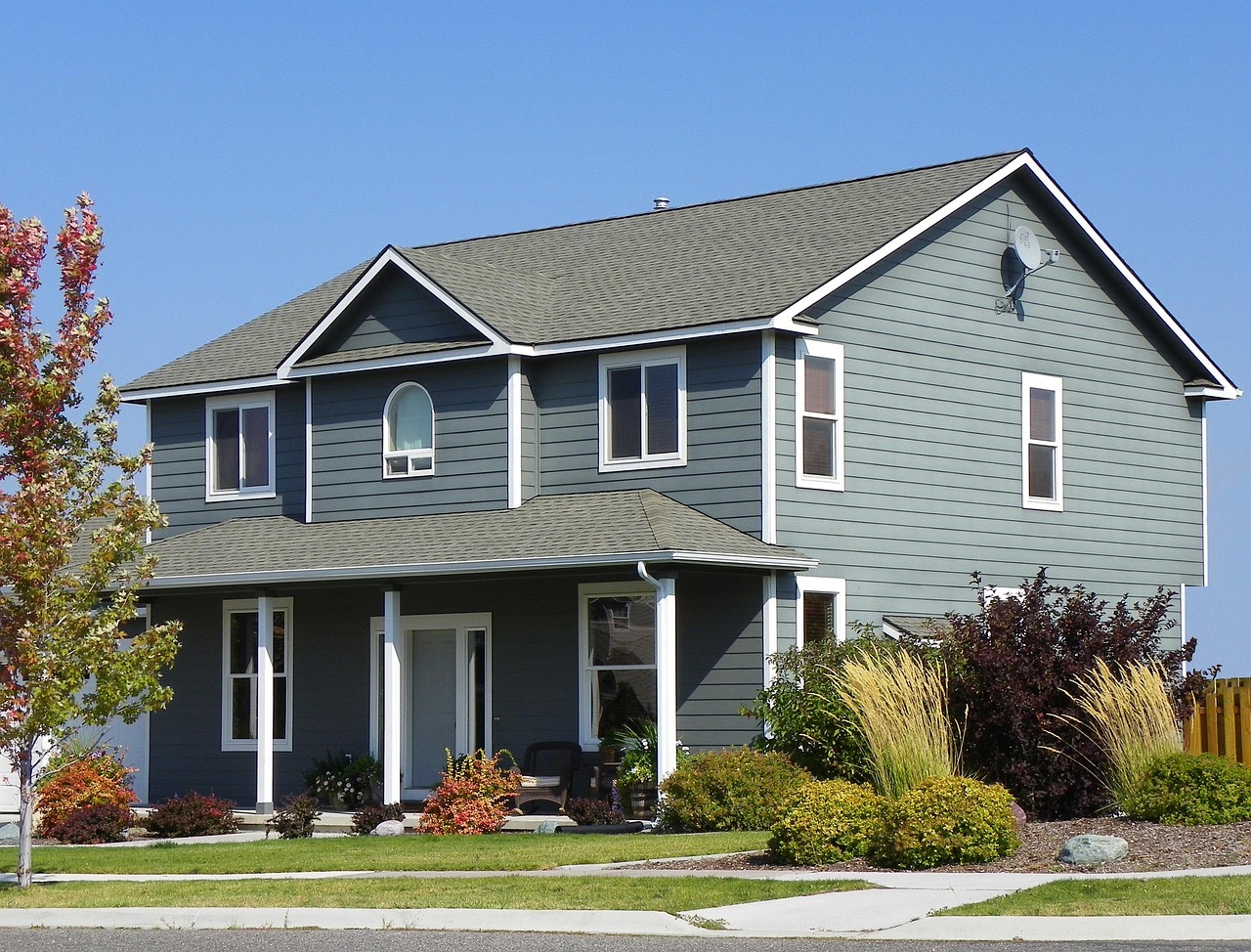
Green Bay's housing market has settled into a rhythm unfamiliar to anyone who rode the 2021 boom. Median home prices across the metro area are holding steady around $285,000 to $305,000, down from the $355,000 peak in March 2022, according to regional multiple-listing service data reviewed this week. But the absence of frenzy is not collapse. Months of inventory have climbed from 2.1 in early 2021 to 4.8 today-closer to what economists call a balanced market. Sellers who expected pandemic-era bidding wars now compete on condition, school district reputation, and proximity to employers like Schneider National or Titleist Golf.
The difference between then and now cuts deeper than price tags. Five years ago, first-time buyers in neighborhoods like Ashwaubenon and Allouez faced offers sight-unseen, asked to waive inspections, and told they had hours to decide. Today, a property can sit for three to four weeks without generating multiple bids. Interest rates, hovering near 6.2% on a 30-year fixed mortgage as of July 2026, have reset buyer behavior entirely. A household that qualified for a $400,000 mortgage in 2021 at 2.8% now qualifies for roughly $280,000 at today's rates. That mathematics has redrawn Green Bay's market topology.
Where the Market Has Shifted
The Titletown District, Green Bay's downtown mixed-use development, saw condo prices surge to $420,000-$480,000 in 2022 before moderating to the $340,000-$380,000 range by mid-2026. Sales velocity in the district slowed from eight to twelve units per month to four to six, but properties that came to market at realistic prices-typically those listed within 3% of recent comparable sales-moved within 25 days. The residential component of Titletown, managed in partnership with Packers-backed development entities, has adapted by emphasizing lease-to-own programs and extended financing terms not common during the 2021 frenzy.
East Green Bay, historically a working-class area along the Fox River, has emerged as an unintended beneficiary of the reset. Homes priced between $180,000 and $240,000-a range that barely existed in the local market in 2021-now represent 31% of all sales activity. Schools like East De Pere High School have begun appearing in buyer research more frequently as affordability constraints push households toward incremental trade-downs rather than buying silence or status.
The Green Bay Area Chamber of Commerce noted in its June 2026 economic snapshot that real estate transactions remain 22% below the 2021 annual total, but the cohort of buyers returning to the market tends to be older, more deliberate, and less leveraged than the pandemic-era cohort. First-time buyer volume is up 8% year-over-year, whereas investor and speculative activity has nearly vanished.
The Data Behind the Calm
Closed sales across Brown County from January to June 2026 totaled 1,847 units, averaging $298,400. In the same period of 2021, the market had closed 2,384 units at an average of $267,300. The apparent price increase masks a compositional shift: the 2021 sample included a larger proportion of sub-$250,000 sales, which have since been winnowed out by appreciation and new construction pricing. Adjust for that, and today's market is materially softer on a nominal, equivalent-property basis.
Days on market have stretched from an average of 11 days in 2021 to 34 days in 2026. Yet default and foreclosure activity remains subdued-only 0.8% of mortgages in the Green Bay metro are 30+ days delinquent, according to the Federal Reserve's June mortgage performance report. That suggests the market has corrected without leaving a trail of distressed borrowers behind.
Buyers shopping today are unlikely to see another 2021. Mortgage rates would need to fall below 4% to replicate purchase power, and inflation-adjusted wages have gained only modestly since then. What buyers will see is selection. More homes on the market, fewer bidding wars, and time to think-luxuries that felt extinct five years ago in Green Bay. For the local real estate industry, that shift from scarcity to sufficiency marks the real reset.
This article is general information only and is not personal financial or investment advice. Consider your own circumstances and seek licensed professional advice before making financial decisions.